L-MOUNT Forum

Register a free account now!

If you are registered, you get access to the members only section, can participate in the buy & sell second hand forum and last but not least you can reserve your preferred username before someone else takes it.

Share your photos with legacy lenses

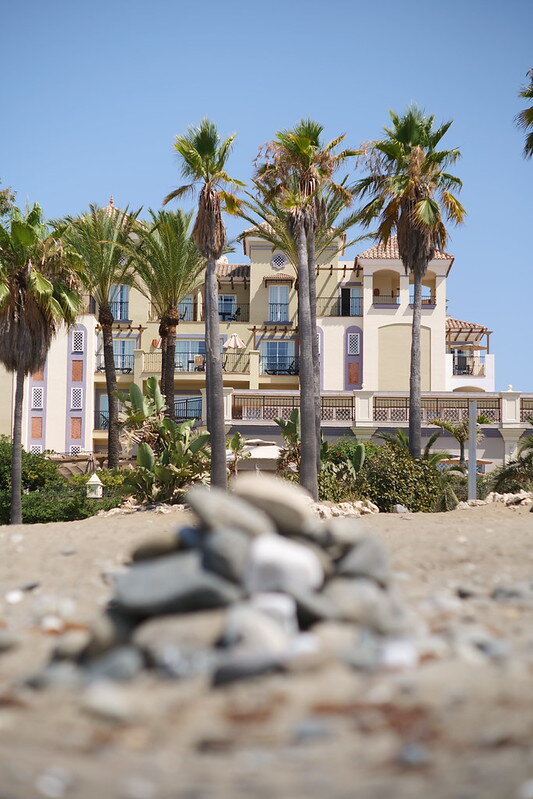
S-M-C Takumar 85mm f/1.8

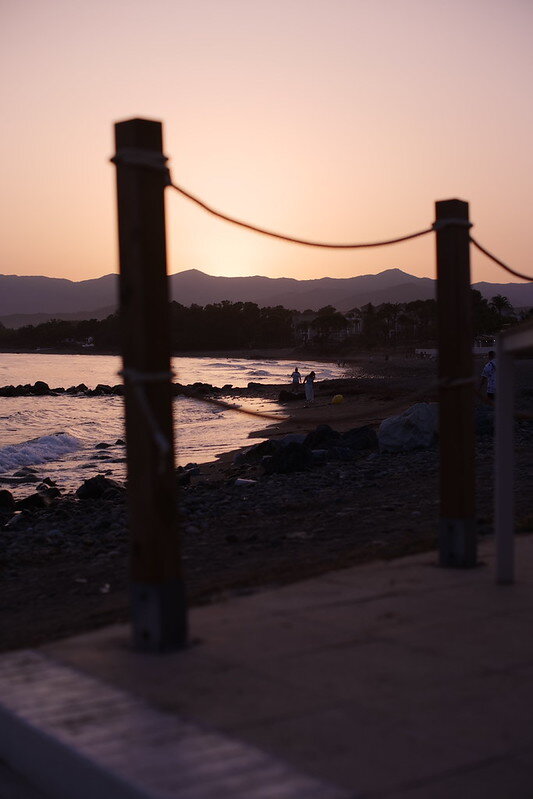
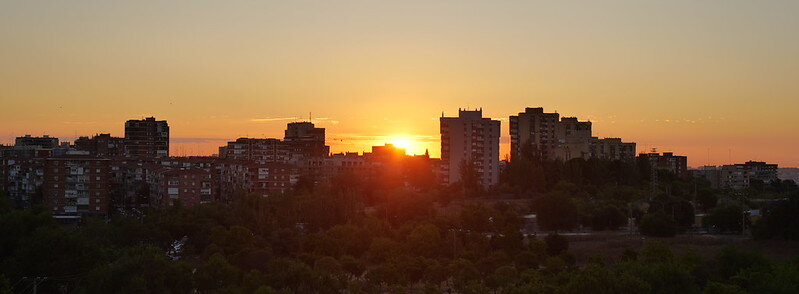
I have found in the last few years that 85mm is my favourite focal length to use on a beach. Compared to a 50mm it gives me a bit more room to photograph my daughters as they play without intruding on their space, it can isolate unusual features or objects and provide a little more compression for shots of lone people with the expanse of space around them. Using a manual lens is usually no problem because it's not the kind of situation where there's any rush.


Blue by Jonathan MacDonald, on Flickr


Beach hotel by Jonathan MacDonald, on Flickr
 
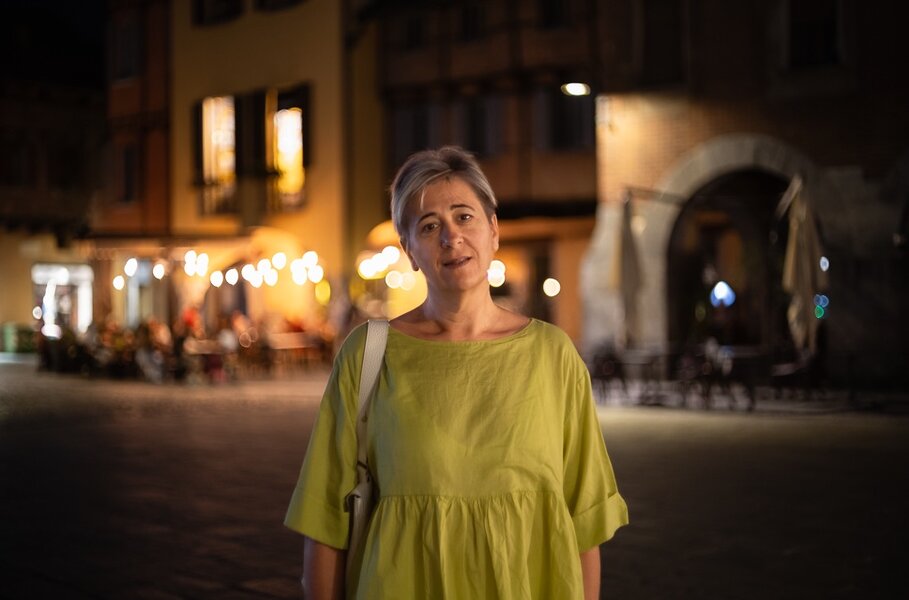
A portrait of my wife, taken during an evening walk in Como, Italy.

Panasonic Lumix S1 + Mamiya Sekor 55mm f/1.4 — shot wide open at f/1.4, ISO 2000

One of the things I enjoy most about the L-Mount system is how well the S1 works with vintage manual-focus lenses. Shot wide open, the old Mamiya 55mm shows plenty of character: a gentle rendering on the subject, smooth transitions and a very distinctive, almost painterly background.

I particularly like the contrast here between the warm city lights, the slightly cooler light on her face, and the vivid green of the dress. At f/1.4 the background melts away nicely, while the S1 still delivers very pleasant tones and detail at ISO 2000.

For me, this is exactly where old glass and modern full-frame digital complement each other.
 

Attachments

  • _1000714-6.jpg
    _1000714-6.jpg
    118.6 KB · Views: 15
A portrait of my wife, taken during an evening walk in Como, Italy.

Panasonic Lumix S1 + Mamiya Sekor 55mm f/1.4 — shot wide open at f/1.4, ISO 2000

One of the things I enjoy most about the L-Mount system is how well the S1 works with vintage manual-focus lenses. Shot wide open, the old Mamiya 55mm shows plenty of character: a gentle rendering on the subject, smooth transitions and a very distinctive, almost painterly background.
Portraits aren't my thing, but I definitely like that Mamiya 55/1.4.


Missouri 20240903-SDIM2598 by Travis Butler, on Flickr
Sigma fp, Mamiya-Sekor 55/1.4

(Sharp enough to provoke moiré on some of the ventilation grilles!)

20240820-SDIM2254-sm.jpg


And bokeh I like when shot wide-open.
 
The $4 Takumar 50/1.4

I get almost all of my vintage lenses from estate sales... but this one was a particularly notable find. The camera it was apparently used with was already sold when I got there, and I happened to randomly run across it elsewhere in the sale. No price tag, so I brought it to the cashier and asked; she looked at it for a moment, shrugged, and said. $4. <grab>

I've already got a couple copies of the Super-Takumar 50/1.4 - including both the legendary 8-element version and a de-yellowed 7-element version*, in addition to the Super-Multi-Coated 50/1.4. So it was a lens I already had... but for $4, I couldn't resist, and at worst I figured I could pass it along to a deserving soul.


20260818-SDIM1504v1.dng by Travis Butler, on Flickr
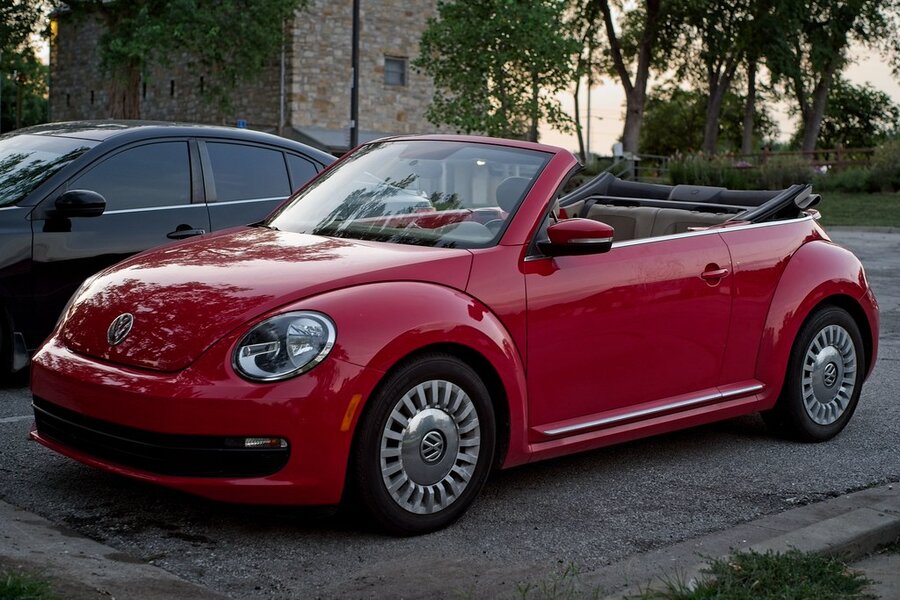
Sigma fp, Super-Takumar 50/1.4 (yellowed)

Was taken just after sunset, so the lighting wasn't that good... but still pleased by the results. :)

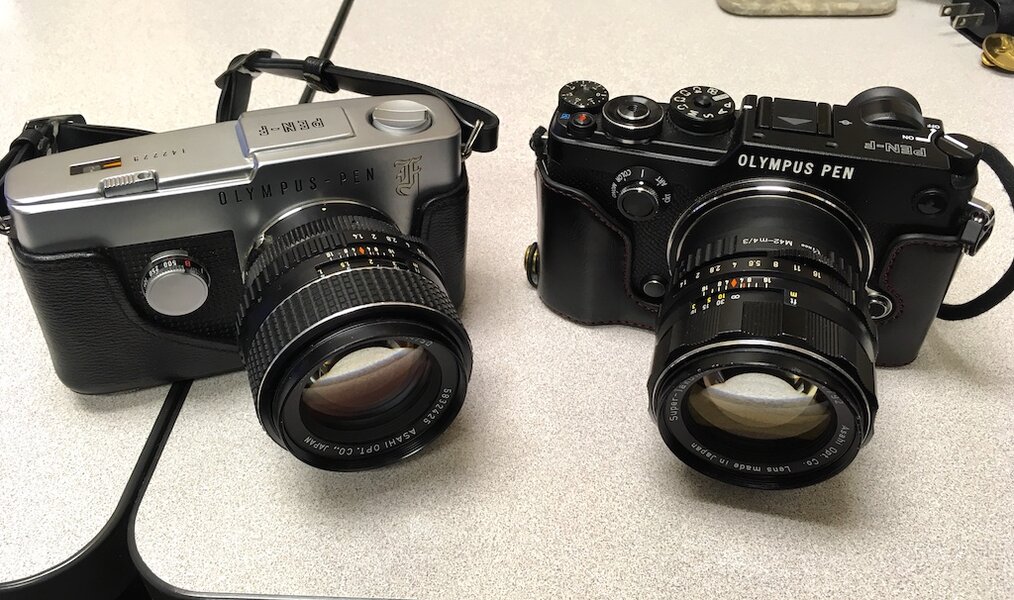
*For those not familiar with the 50/1.4's history... the original 8-element Super-Takumar was designed in the mid-60's as an absolute best-of-the-best lens to demonstrate Pentax's ability to stand on the same ground as premium lens makers like Zeiss. Because of its complex design, it was very expensive to make - many sources claim it sold for less than its manufacturing cost - and after a couple of years, it was replaced by a simpler 7-element version. To keep the IQ high, the original 7-element version was designed with a thoriated glass element, and radioactive decay yellowed this element over time. The yellowing can be reversed with a strong UV light source; I used a LED lamp from IKEA, which cleared my original copy in about a week.

In the early 70s, the last generation before Pentax switched from M42 to K-mount, they introduced a Super-Multi-Coated version of the 50/1.4 with improved coatings; I don't notice that much difference, but I rarely shot it in situations where flaring was an issue. According to some reports, they also were able to eliminate the radioactive element; they also changed the focus ring, from an all-metal hills-and-valleys design to a rubber grip.

Two Pens sm.jpg

The later SMC version is on the left; the original metal ring is on the right.
 
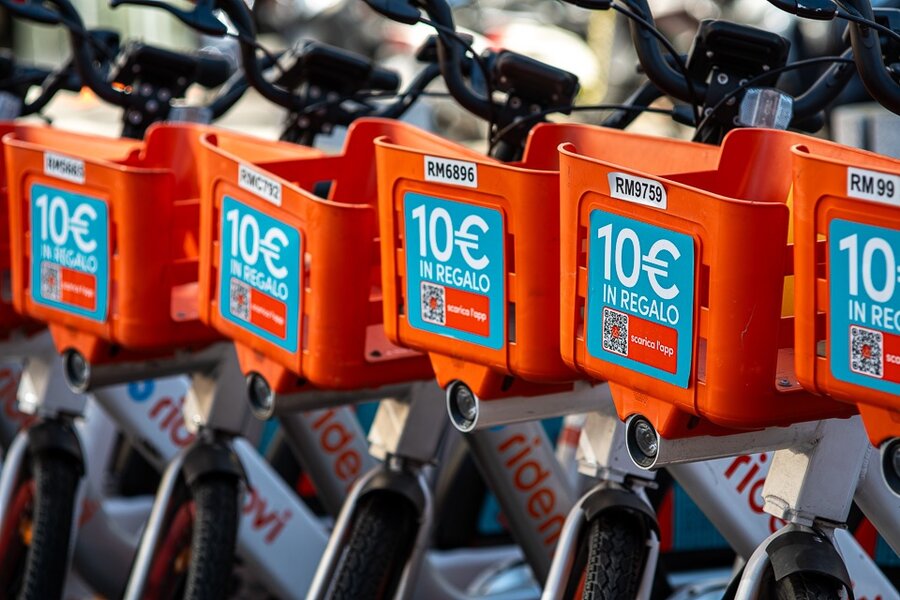
Another shot with the Canon FD 135mm f/3.5 “Chrome Nose” on the Panasonic Lumix S1.

The subject is very simple — a row of rental bicycles — but I liked the repetition of the orange baskets, the handlebars and the frames, and I thought it was a good opportunity to see how this old 135mm handles depth and separation.

What I particularly like here is the gradual transition from the sharp central basket to the progressively softer elements in front and behind it. The 135mm focal length compresses the different planes nicely, while the lens keeps enough definition in the out-of-focus areas to preserve the structure of the scene.

The Canon is certainly not “clinical” in the modern sense. It has good detail and contrast, but the rendering remains gentle, with smooth tonal transitions and a very natural sense of depth. To my eyes, this balance between sharpness and softness is one of the most appealing characteristics of this early FD lens.

Panasonic Lumix S1 + Canon FD 135mm f/3.5 Chrome Nose
Minimal processing.

_1000994-2.jpg
 
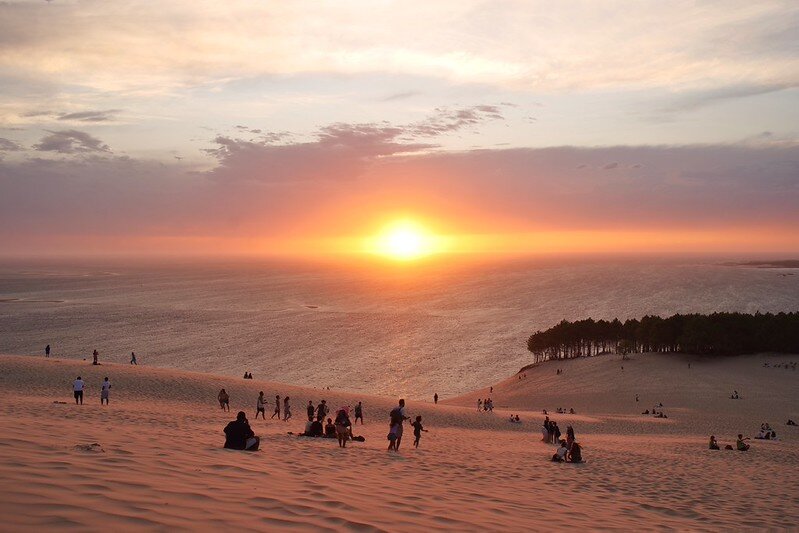
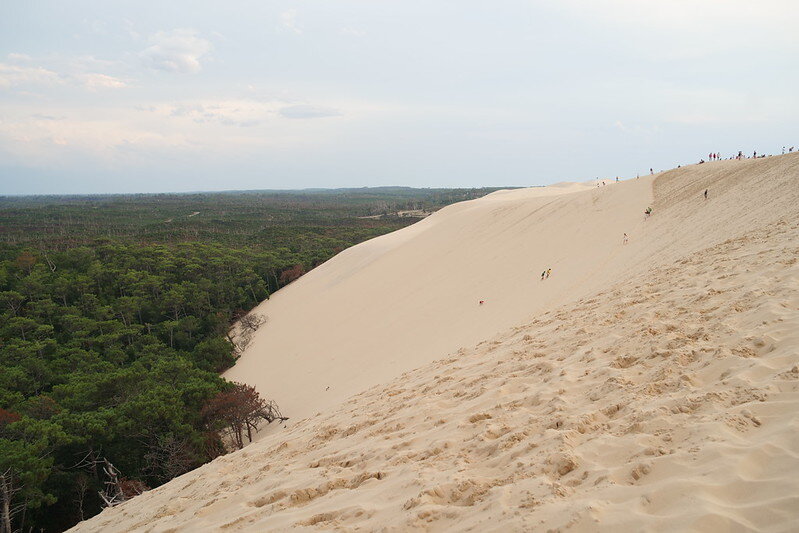
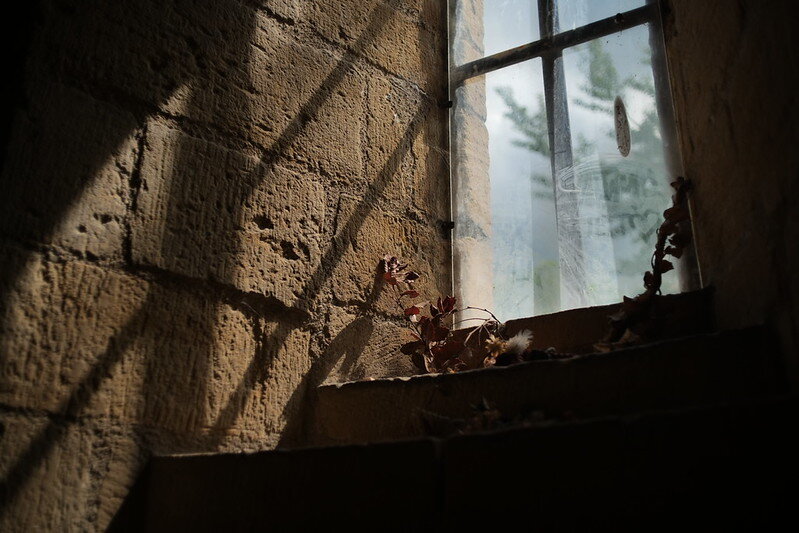
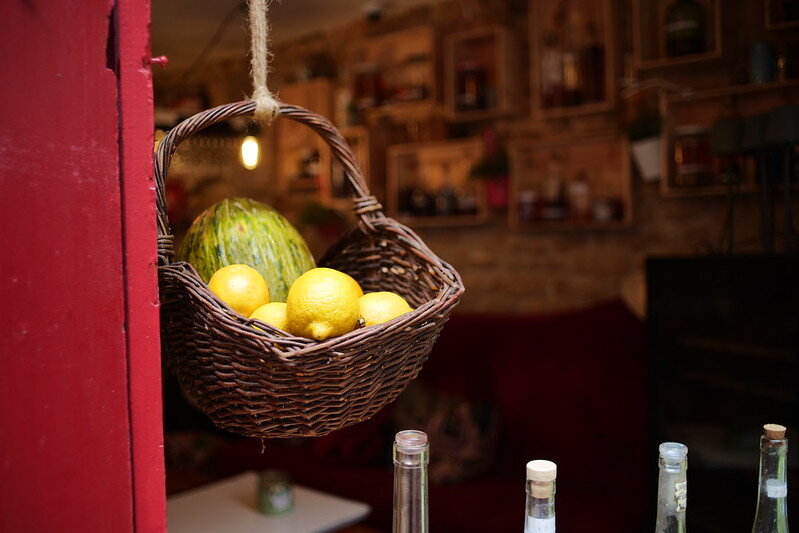
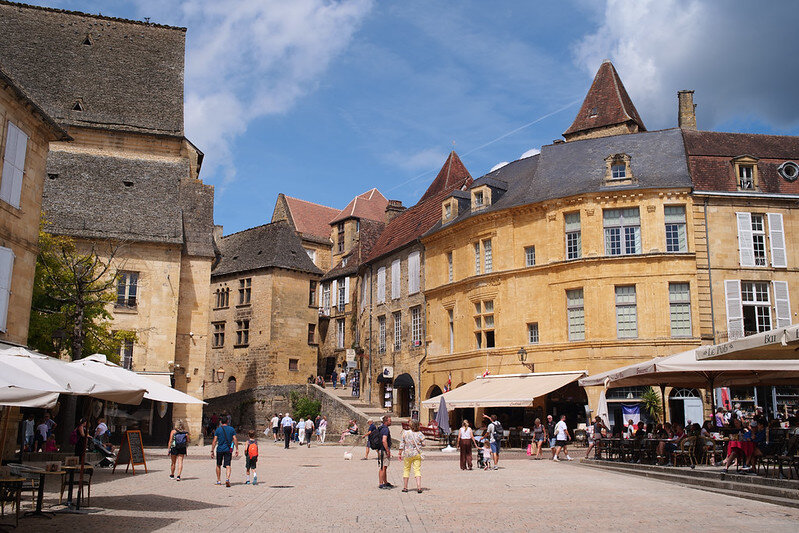
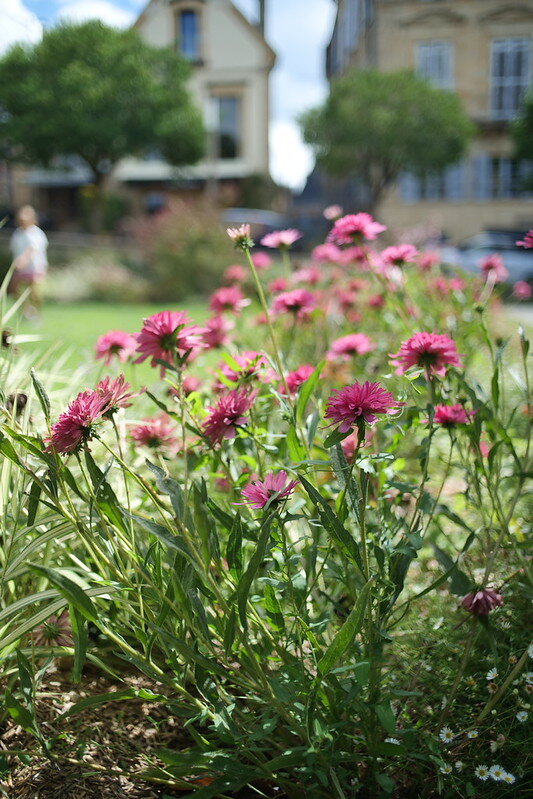
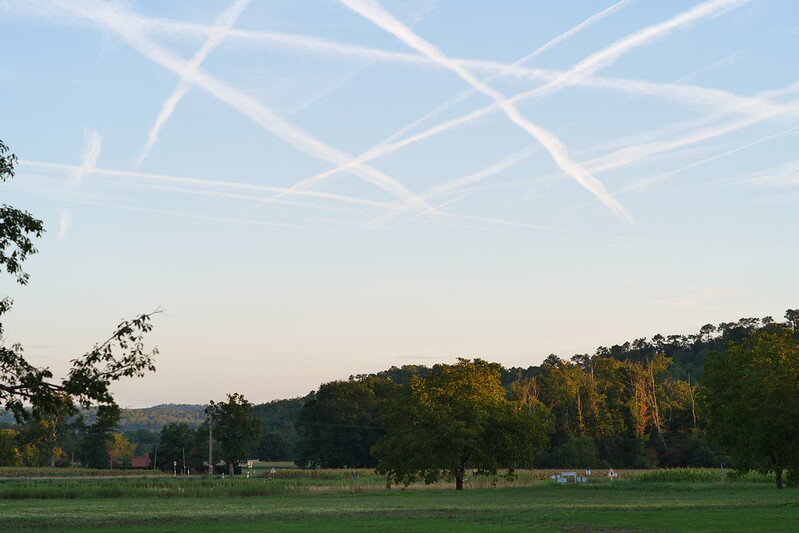
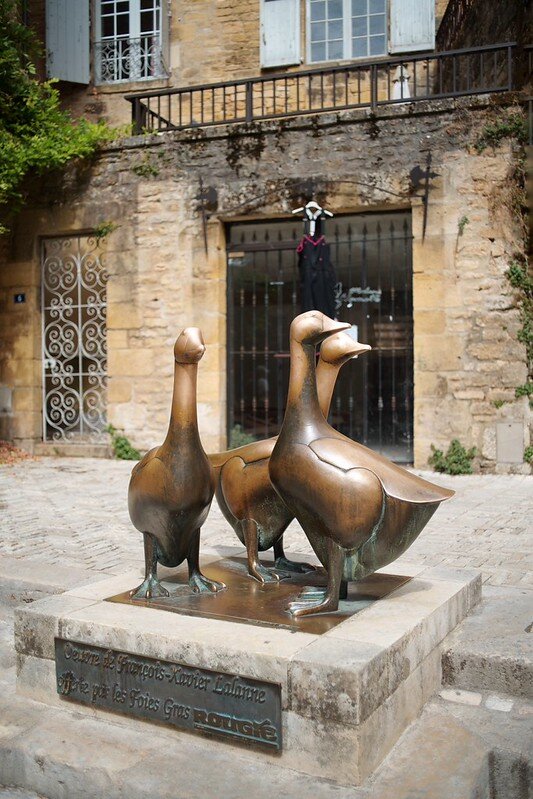
All taken in southern France with the Pentax SMC M 35mm f/2. I used to use this lens a lot more when I only shot APS-C and it did some travelling with me and performed very well. I wanted to give it another chance since it has fallen into disuse since I moved to FF despite making increasing use of the 35mm field of view.


Sunset at the Pilat dune
by Jonathan MacDonald, on Flickr


The Pilat dune
by Jonathan MacDonald, on Flickr


Window light, Sarlat
by Jonathan MacDonald, on Flickr


Lemons
by Jonathan MacDonald, on Flickr


Sarlat
by Jonathan MacDonald, on Flickr


Pumpkins
by Jonathan MacDonald, on Flickr


Flowers
by Jonathan MacDonald, on Flickr


Sarlat
by Jonathan MacDonald, on Flickr
 
I bought a bunch of Konica gear that came together and included a 55mm f/3.5 macro and the 135mm f/3.2. I've now sold the macro lens for just €10 less than the whole lot cost me and I'm keeping the 135mm, a Konica film camera (on which I've already renewed the light seals and mirror bumper), a nice original metal square hood for 28mm and 24mm lenses and a bunch of other oddments.

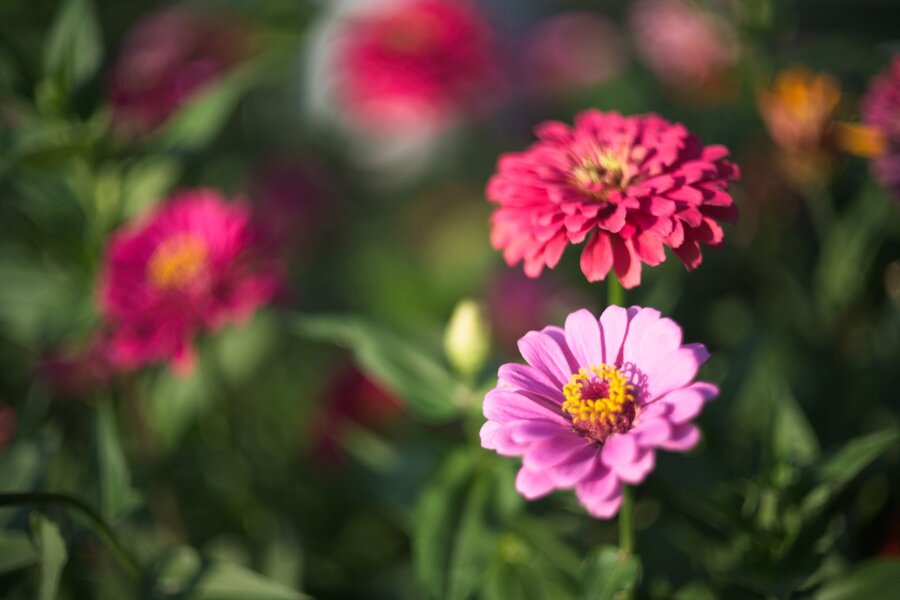
The 1m close-focus ability and sharpness wide open do indeed show the 135mm f/3.2 to be a very good lens for blurring out backgrounds of close subjects. It's been too windy shoot much of this type but hopefully I'll have more luck soon.


Flowers
by Jonathan MacDonald, on Flickr


Soon to fly
by Jonathan MacDonald, on Flickr

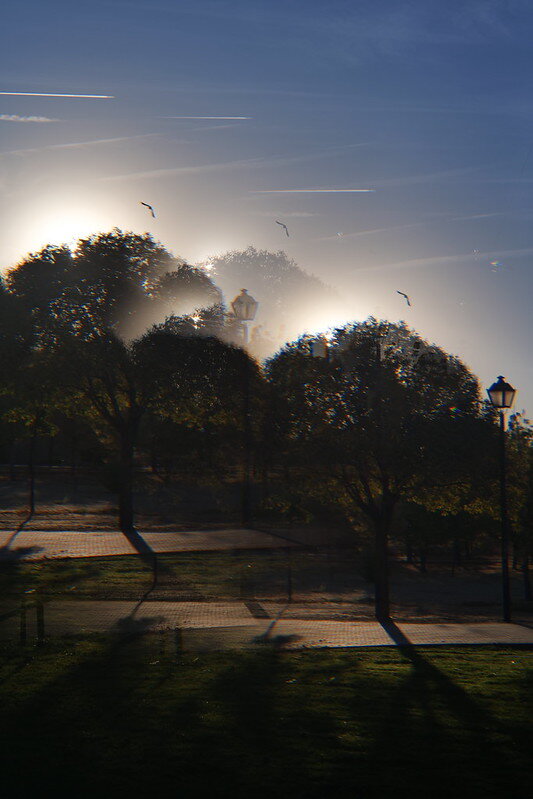
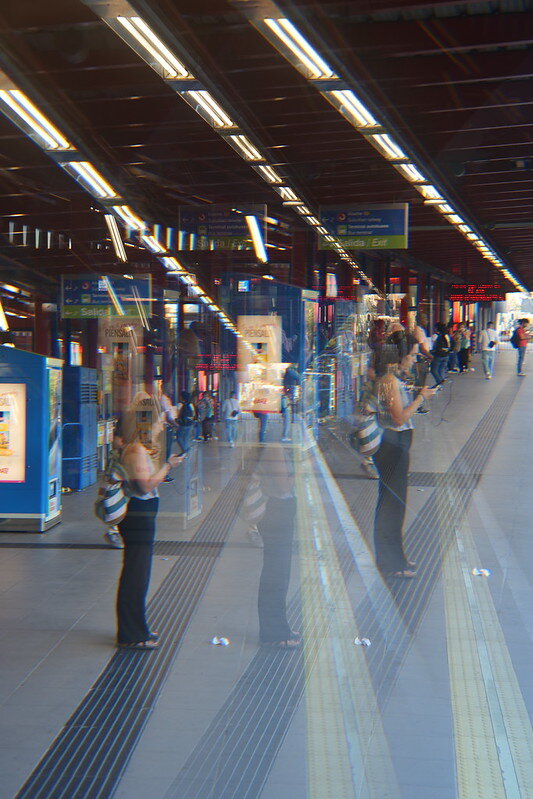
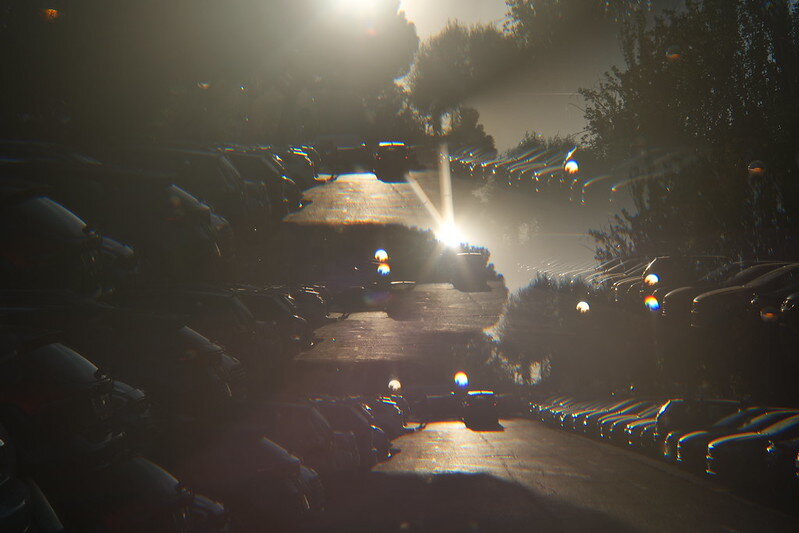
Among those oddments was a 55mm Hoya "multi-vision" filter which splits up images for some weird results. Here I used it on the Hexanon 57mm f/1.4


Trees and birds in the park
by Jonathan MacDonald, on Flickr


Metro station
by Jonathan MacDonald, on Flickr


Carpark
by Jonathan MacDonald, on Flickr
 
I bought a bunch of Konica gear that came together and included a 55mm f/3.5 macro and the 135mm f/3.2. I've now sold the macro lens for just €10 less than the whole lot cost me and I'm keeping the 135mm, a Konica film camera (on which I've already renewed the light seals and mirror bumper), a nice original metal square hood for 28mm and 24mm lenses and a bunch of other oddments.

Glad you found a local copy of the 135/2. :)

That metal hood is nice, and I keep a copy in my bag.

The 1m close-focus ability and sharpness wide open do indeed show the 135mm f/3.2 to be a very good lens for blurring out backgrounds of close subjects. It's been too windy shoot much of this type but hopefully I'll have more luck soon.

The first one in particular is nice.

The filter looks like something I found at a sale, though it wasn’t from Hoya.


20220926-P1000497 by Travis Butler, on Flickr
LUMIX S5, Minolta MD 35-70/3.5 Macro
 
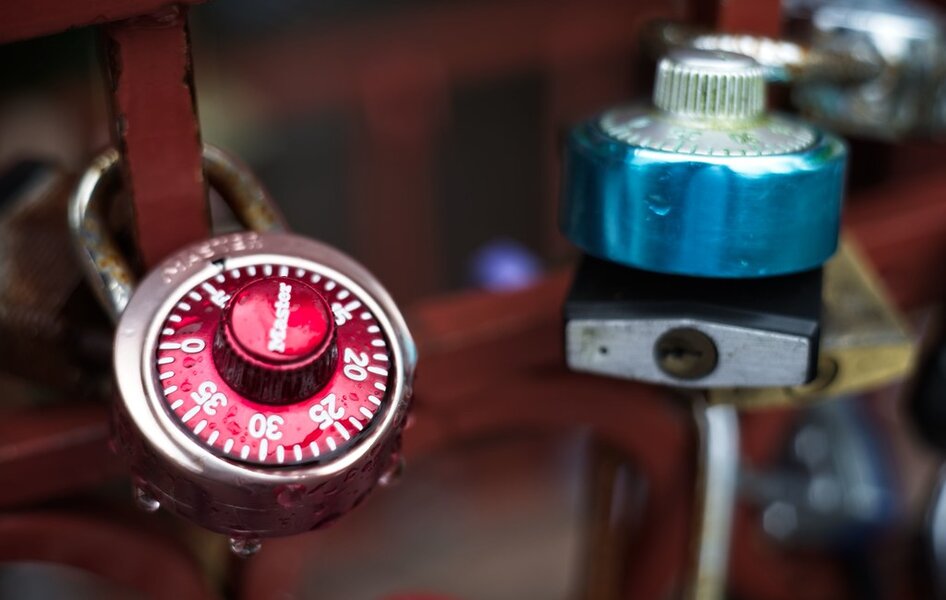
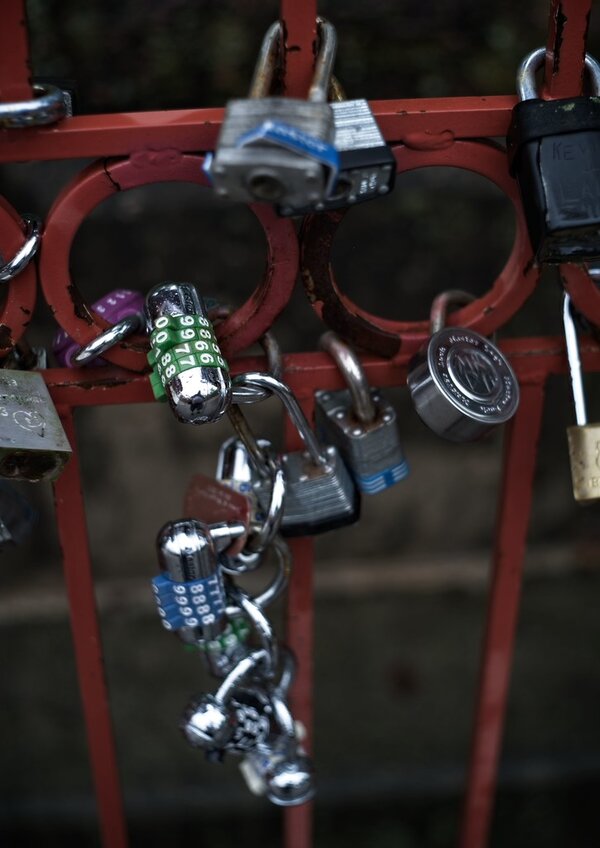
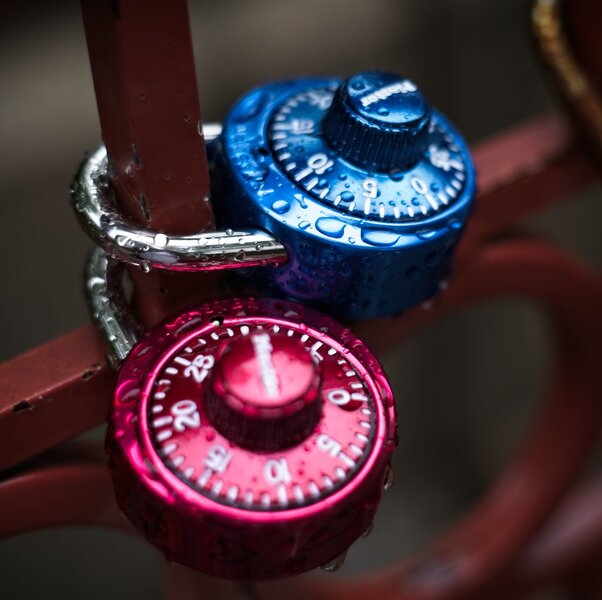
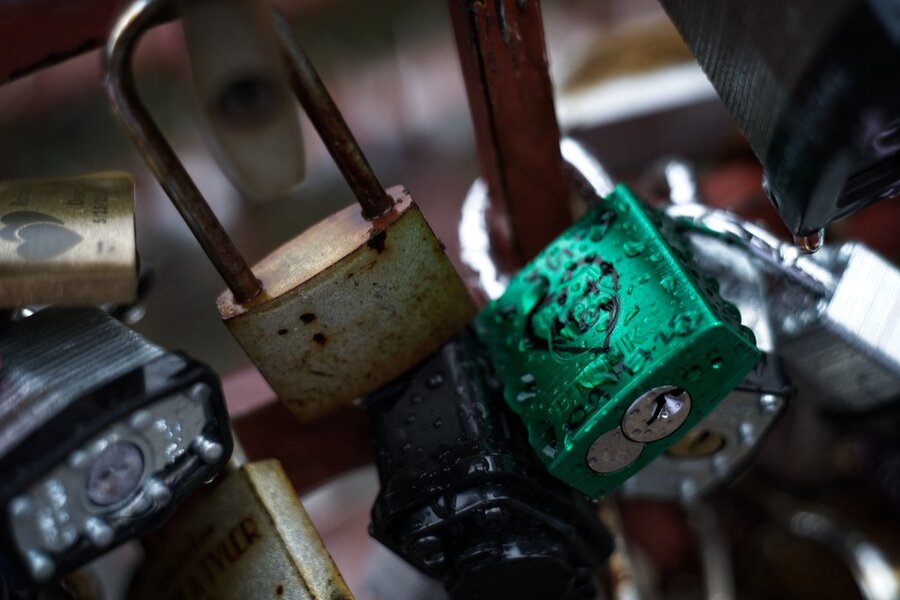
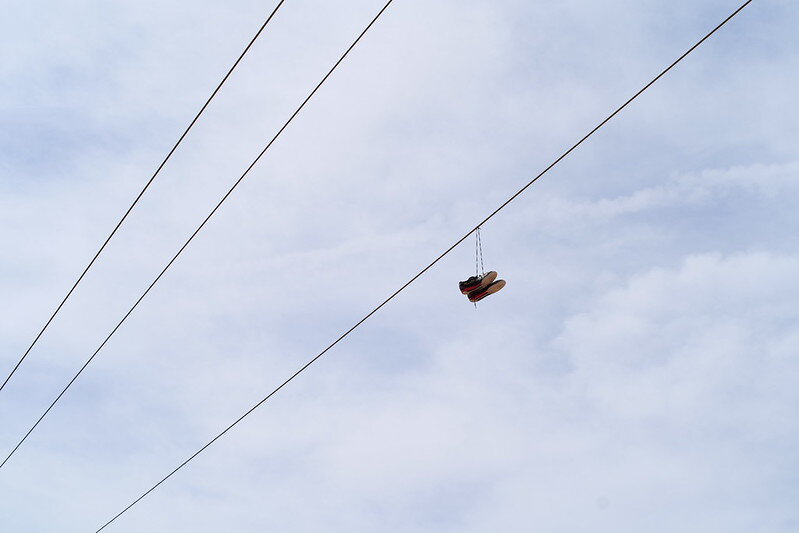
The Meyer-Optik Goerlitz Oreston 50/1.8 is known for its expressive bokeh, and I've been pleased with it in the shots I've done with it so far.


20260925-SDIM2245 by Travis Butler, on Flickr
Sigma fp, Oreston 50/1.8

Here you can see the smooth out-of-focus transition in the combination lock at left, the pleasant blurred background in center, and a bit of interesting texture at lower-right.

20260925-SDIM2250 by Travis Butler, on Flickr


20260925-SDIM2263 by Travis Butler, on Flickr


20260925-SDIM2282v1.dng by Travis Butler, on Flickr

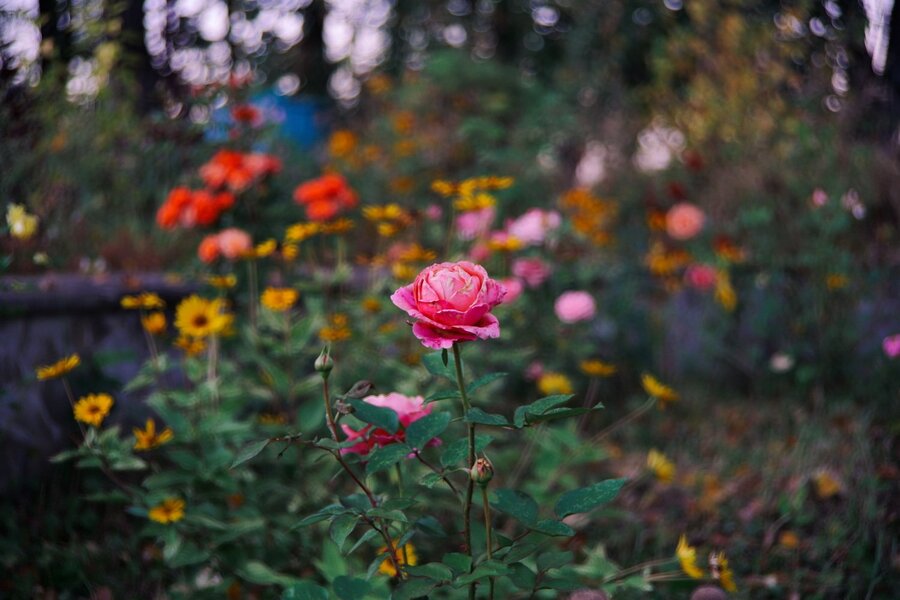
I also love the jewel tones that came out in this post-rain shoot.

20260925-SDIM2285 by Travis Butler, on Flickr

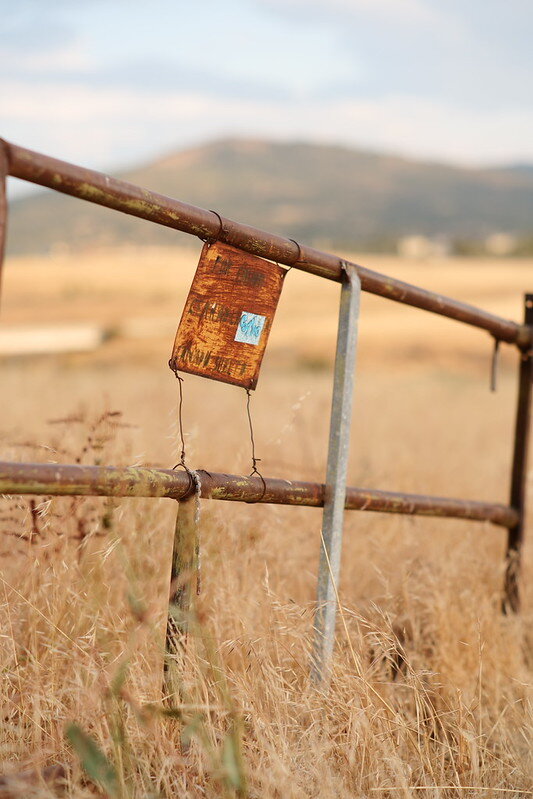
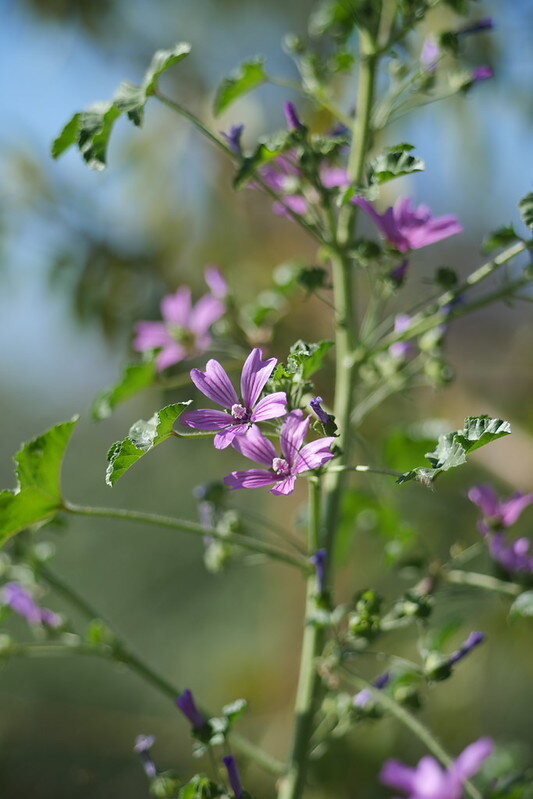
And the beautiful rusted texture here.

20260925-SDIM2302 by Travis Butler, on Flickr

Some more interesting layered bokeh.

And one final bit of jewel tone:


20260925-SDIM2308 by Travis Butler, on Flickr
 
So when I picked up the Osteron 50/1.8, included in the bundle was an 'Avigon' 28/2.8. I'd never even heard of the brand - presumably it's a private label manufactured by one of the white-label producers, but I couldn't find more than a few passing references to it online. (The lens came in a Tokina-labeled bag, but I don't put much stock in that; the Oreston had an Asahi Pentax lens cap, but I couldn't find any Pentax lenses in two visits to the sale.)

IMG_7316.jpeg


Sometimes these private label lenses can actually be pretty good, so I thought I'd give it a try.


20260919-SDIM1993 by Travis Butler, on Flickr
Sigma fp, Avigon 28/2.8

It actually doesn't clean up too badly.


20260921-SDIM2161 by Travis Butler, on Flickr

That said, it takes a significant amount of cleanup. The lens has a pretty severe magenta cast, especially in natural light, and is also kind of dull. Before/after:


20260921-SDIM2179v1.dng by Travis Butler, on Flickr


20260921-SDIM2179 by Travis Butler, on Flickr

If I had to live with it, I certainly could...


20260919-SDIM2029 by Travis Butler, on Flickr

It's pretty small, reasonably well-built, and can produce good results. But the unfortunate fact is that I have other 28mms - the Hexanon 28/3.5 and Vivitar (Kiron) 28/2.5 in particular - that produce results that are at least as good and often better, without nearly as much work in post to correct the flaws. So I can't really see any reason to keep it.
 
Back
Top