
L-MOUNT Forum
You are using an out of date browser. It may not display this or other websites correctly.
You should upgrade or use an alternative browser.
You should upgrade or use an alternative browser.
Lumix S 100mm macro
- Thread starter huwm
- Start date



RuleOfThirds
Well-Known Member
- Joined
- Nov 16, 2023
- Messages
- 979
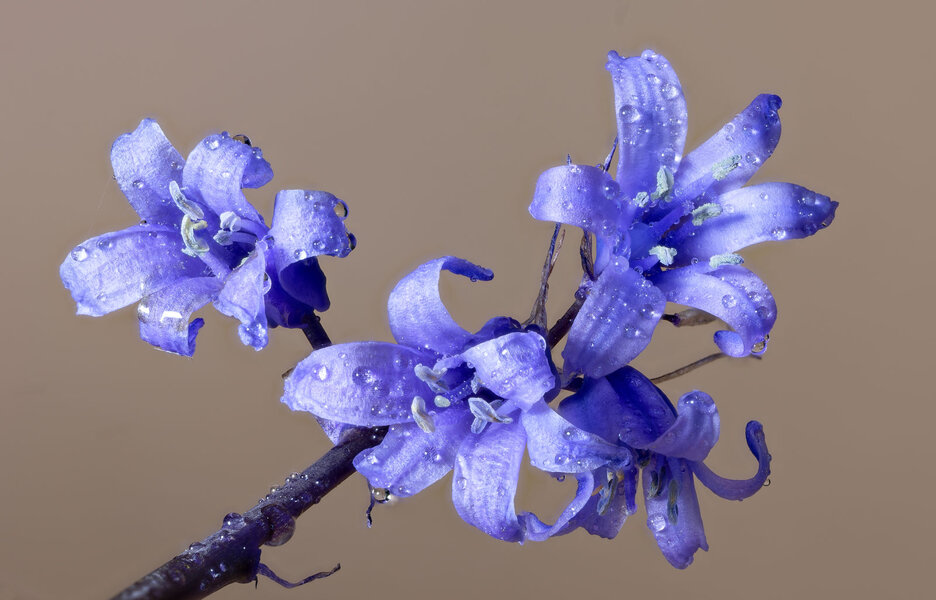
You take those 30 images with a tripod I guess?This thread needs some love; so here's a 27 shot photo stack of some teeny-tiny flowers that I found on our lawn.
View attachment 11666
Yes. Camera on an L-bracket, with LED light mounted on an arm on the L-bracket as well, all on a tripod. 30 exposures using automatic focus bracketing with step=5.You take those 30 images with a tripod I guess?
As Gear Acquisition Syndrome is biting hard at the moment, I have restrained myself by going out into the garden searching for subjects to focus stack with this lovely lens and my (now hopelessly inferior) S5ii. OK maybe it's not so bad 

- Panasonic DC-S5M2
- LUMIX S 100/F2.8 MACRO
- ƒ/8
- 100mm
- 1/30s
- ISO 250
GeorgeHudetz
Well-Known Member
- Joined
- Mar 21, 2023
- Messages
- 869
The 100 would be a great compliment to the 24-60.

CharlesH
LMF-Patron Gold
- Joined
- Mar 25, 2023
- Messages
- 1,234
Chives? Very nice. I also love my S 100/f2.8 Macro; might head to the garden this afternoon.OK maybe it's not so bad.
RuleOfThirds
Well-Known Member
- Joined
- Nov 16, 2023
- Messages
- 979
Yes I’m on the verge of getting both. Already pre-ordered the 24-60. Can trade in my 24/1.8 for same amount as I bought it. By then I have my lenses set sorted I guess. For a while.The 100 would be a great compliment to the 24-60.
Unless the Sigma 35/1.2 mk2 is <800g then I sell my 35 and 50 and get that one.
And then…
Probably time to give in for the s1rii. Or maybe there will be a flood of cheap s1r bodies in good condition.
I'm pleased to report that this lens seems to play nicely with the Raynox DCR-250 macro conversion lens. Magnification at closest focus distance seems to be around the 1.75 mark. The only downside I've spotted so far is that, as the conversion lens compresses the whole focal range of the lens, the automatic focus bracket step has to be set to maximum (i.e. 10) to get reasonable step lengths (so you may end up having to take a lot of shots to get everything in focus for a deep subject).

- Panasonic DC-S5M2
- LUMIX S 100/F2.8 MACRO
- ƒ/8
- 100mm
- 1/30s
- ISO 100
GeorgeHudetz
Well-Known Member
- Joined
- Mar 21, 2023
- Messages
- 869
Excellent work, Simon. Have really enjoyed looking at all your images. Keep them coming!
Excellent work, Simon. Have really enjoyed looking at all your images. Keep them coming!
Thank-you! Next planned photo will stack the Raynox DCR-250 with a DCR-150, but I have to wait for a step down ring to arrive...
RuleOfThirds
Well-Known Member
- Joined
- Nov 16, 2023
- Messages
- 979
I have to wait like 18 hours for my S 100/2.8 to arrive. Since it came out I was thinking to get one.
I would like to use it also for 1:1 copying old 35mm film slides and film negatives. Can anyone recommend a reasonable priced kit with led light and holder ?
This makes such a nice combo with the 24-60, but als so with the 16-35 + 50. For me this will be so much more usable than the 85 for me.
Normal 1:1 macro’s are just single purpose lenses because of the slow focus, and size/weight. But this one should really be a much more versatile short telephoto lens.
Think that 16-35 / 24-60 / 100 will be my most used combo.
I would like to use it also for 1:1 copying old 35mm film slides and film negatives. Can anyone recommend a reasonable priced kit with led light and holder ?
This makes such a nice combo with the 24-60, but als so with the 16-35 + 50. For me this will be so much more usable than the 85 for me.
Normal 1:1 macro’s are just single purpose lenses because of the slow focus, and size/weight. But this one should really be a much more versatile short telephoto lens.
Think that 16-35 / 24-60 / 100 will be my most used combo.
RuleOfThirds
Well-Known Member
- Joined
- Nov 16, 2023
- Messages
- 979
Well it really did arrive today.... my first time ever 1:1 macro...
Although quite far away, F8 isn't enough dof...
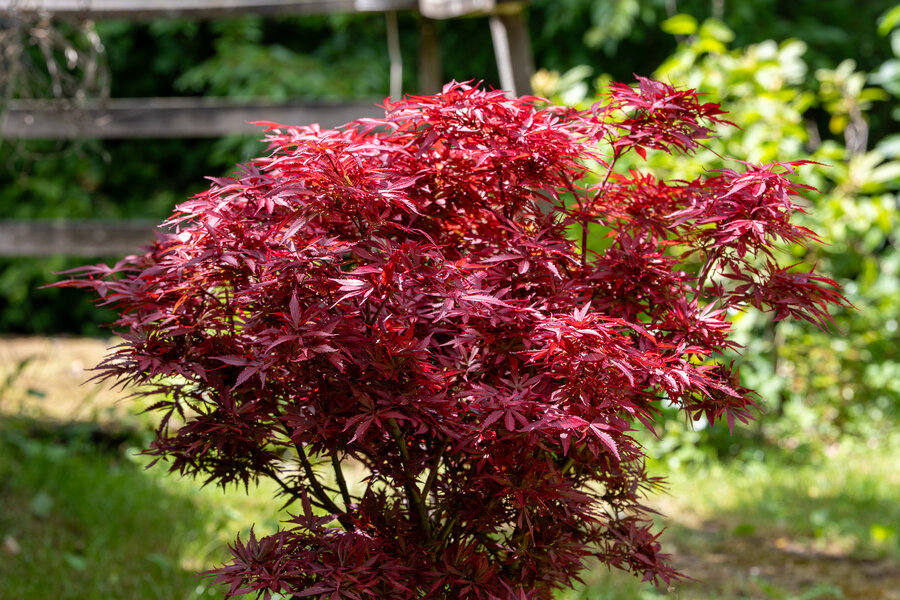
Little bit closer
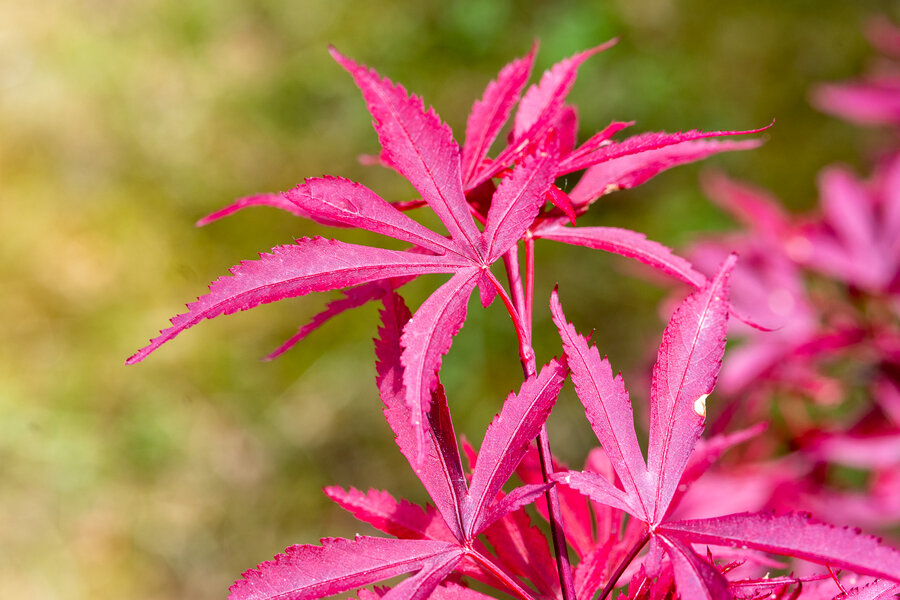
Closest

Although quite far away, F8 isn't enough dof...
- Panasonic DC-S5M2
- LUMIX S 100/F2.8 MACRO
- ƒ/8
- 100mm
- 1/125s
- ISO 320
Little bit closer
- Panasonic DC-S5M2
- LUMIX S 100/F2.8 MACRO
- ƒ/8
- 100mm
- 1/125s
- ISO 500
Closest
- Panasonic DC-S5M2
- LUMIX S 100/F2.8 MACRO
- ƒ/8
- 100mm
- 1/125s
- ISO 1600
RuleOfThirds
Well-Known Member
- Joined
- Nov 16, 2023
- Messages
- 979
Nice bokeh... did I mention shallow depth of field??
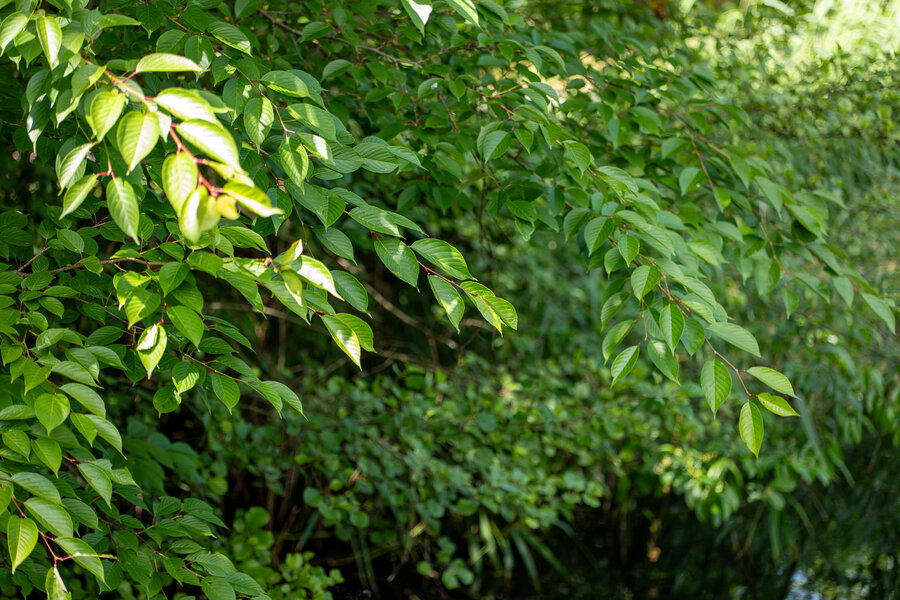
For the non botanical... it's a young pear tree leaf.

Focus on the lowest stem of a rhododendron flower

- Panasonic DC-S5M2
- LUMIX S 100/F2.8 MACRO
- ƒ/2.8
- 100mm
- 1/160s
- ISO 100
For the non botanical... it's a young pear tree leaf.
- Panasonic DC-S5M2
- LUMIX S 100/F2.8 MACRO
- ƒ/2.8
- 100mm
- 1/800s
- ISO 1000
Focus on the lowest stem of a rhododendron flower
- Panasonic DC-S5M2
- LUMIX S 100/F2.8 MACRO
- ƒ/4
- 100mm
- 1/250s
- ISO 100
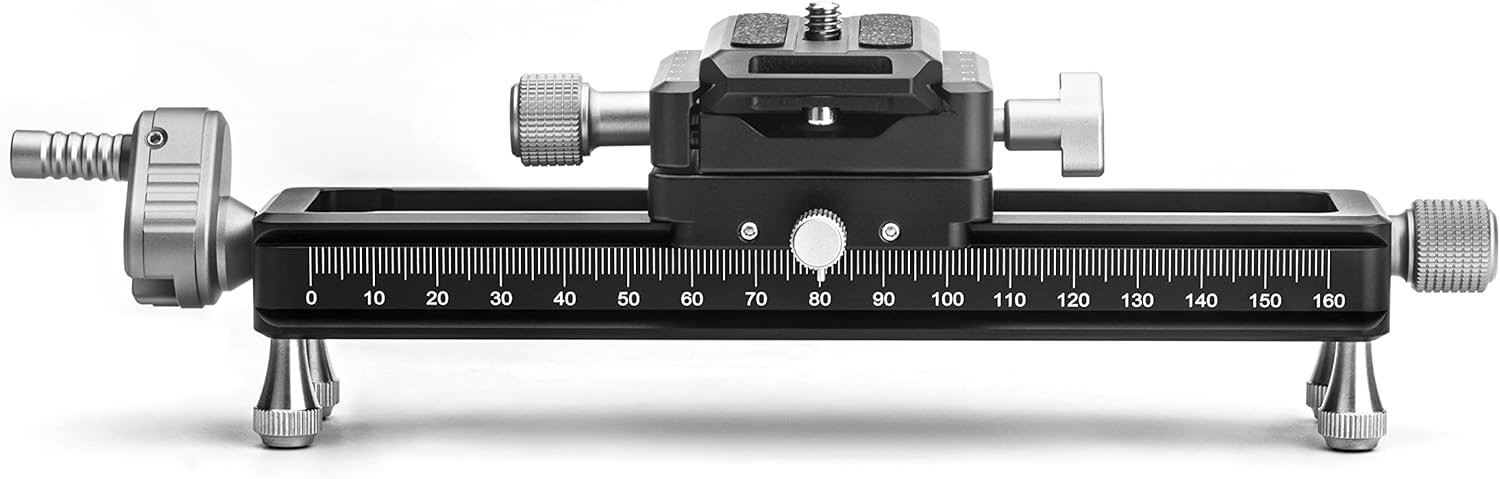
Congratulations! Welcome to your descent into madness...and now it's time for you to get one of these...Well it really did arrive today.... my first time ever 1:1 macro...
GeorgeHudetz
Well-Known Member
- Joined
- Mar 21, 2023
- Messages
- 869
I've been wondering about these. Besides being uber-cool, what is the advantage of such a device over focus stacking? I could see how it would be important for a lens with bad focus breathing, but these days, with Panasonic lense having minimal breathing, and the advancements in stacking software, do we still need something like this?Congratulations! Welcome to your descent into madness...and now it's time for you to get one of these...
View attachment 12181
Or is there some other reason this is useful? Genuinely curious.
Do you mean the advantage over automatic focus stacking? I know that some cameras do in-camera focus stacking (that is they take many shots with different focus points and merge them in camera) and others, like our beloved Panasonics, automatically take the shots with different focus points but don't merge them in camera.I've been wondering about these. Besides being uber-cool, what is the advantage of such a device over focus stacking? I could see how it would be important for a lens with bad focus breathing, but these days, with Panasonic lense having minimal breathing, and the advancements in stacking software, do we still need something like this?
Or is there some other reason this is useful? Genuinely curious.
The device pictured is a purely manual way of generating shots with different focus points: you mount the camera on the device, you set the camera at its nearest focus distance, and you then crank the handle to move the camera nearer to (or further from) the object you are shooting, taking a shot at each crank of the handle. Then you merge the resulting photos in software.
The advantage of the latter, manual, technique is that the automatic techniques begin to run out of steam as magnification increases. For example, the automatic stack generation of the Panasonic works perfectly fine for the 100mm macro lens with its 1:1 magnification ratio; but if I add on a Raynox or two, taking the magnification ratio beyond 2:1, the Panasonic step distance is not flexible enough to provide enough back-to-front focus variation to capture a deep subject without having to take a lot of photos. Another advantage is that at high magnifications, lining the subject up in the first place is a right royal pain: you want the lens at its minimum focus distance, with its focus point at the front of the subject. Actually moving the subject to get that to be so is a lot harder than moving the camera in tiny increments on one of these devices.
Almost all macro lenses display terrible focus breathing (and that's something that stacking software deals with); the Panasonic is very unusual in showing relatively little. I don't know what magic pixie dust was sprinkled over this lens, but it was very effective!
GeorgeHudetz
Well-Known Member
- Joined
- Mar 21, 2023
- Messages
- 869
Yes, that's what I was looking for. Thanks!Do you mean the advantage over automatic focus stacking? I know that some cameras do in-camera focus stacking (that is they take many shots with different focus points and merge them in camera) and others, like our beloved Panasonics, automatically take the shots with different focus points but don't merge them in camera.
The device pictured is a purely manual way of generating shots with different focus points: you mount the camera on the device, you set the camera at its nearest focus distance, and you then crank the handle to move the camera nearer to (or further from) the object you are shooting, taking a shot at each crank of the handle. Then you merge the resulting photos in software.
The advantage of the latter, manual, technique is that the automatic techniques begin to run out of steam as magnification increases. For example, the automatic stack generation of the Panasonic works perfectly fine for the 100mm macro lens with its 1:1 magnification ratio; but if I add on a Raynox or two, taking the magnification ratio beyond 2:1, the Panasonic step distance is not flexible enough to provide enough back-to-front focus variation to capture a deep subject without having to take a lot of photos. Another advantage is that at high magnifications, lining the subject up in the first place is a right royal pain: you want the lens at its minimum focus distance, with its focus point at the front of the subject. Actually moving the subject to get that to be so is a lot harder than moving the camera in tiny increments on one of these devices.
Almost all macro lenses display terrible focus breathing (and that's something that stacking software deals with); the Panasonic is very unusual in showing relatively little. I don't know what magic pixie dust was sprinkled over this lens, but it was very effective!

Travis Butler
Well-Known Member
- Joined
- Mar 29, 2023
- Messages
- 971
I admit, if I can’t do it handheld, I don’t do it at all; so no bellows, no stacking, etc. So I just do single shots and try to get what I can in focus for best artistic effect. A lot gets tossed. Sheepish look